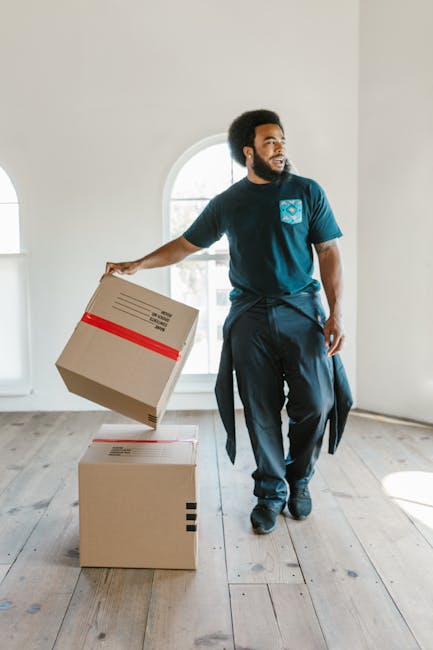
Fragile removals in Harringay maisonettes what to know
Moving fragile belongings out of a Harringay maisonette can feel deceptively simple right up until you meet the staircase, the narrow landing, the awkward turn at the half-landing, and the box that really should have been packed better. That is the bit people underestimate. If you are planning fragile removals in Harringay maisonettes, what to know is not just how to lift a box, but how to protect glass, ceramics, artwork, lamps, mirrors, and other delicate items while working around London housing that often has tight access and shared common areas.
This guide breaks down the practical side of the move: what fragile removals involve, why maisonettes need extra care, how the process usually works, and the small decisions that make a big difference. You will also find a clear checklist, a comparison table, and a realistic example of how a careful move can unfold without drama. Not perfect, not effortless, but absolutely manageable.
For readers who are also comparing removal support more broadly, it may help to look at flat removals, packing and boxes, or a more general removal service if you need help beyond just the fragile items themselves.
Table of Contents
- Why fragile removals in Harringay maisonettes matter
- How the fragile removal process works
- Key benefits and practical advantages
- Who this is for and when it makes sense
- Step-by-step guidance
- Expert tips for better results
- Common mistakes to avoid
- Tools, resources and recommendations
- Law, compliance, standards and best practice
- Options and methods compared
- Case study or real-world example
- Practical checklist
- Conclusion
- Frequently asked questions
Why Fragile removals in Harringay maisonettes what to know Matters
Maisonettes are not quite the same as a ground-floor house move, and they are not quite a standard flat move either. That in-between reality is exactly why fragile items need a proper plan. In Harringay, you often get period conversions, split-level layouts, limited parking, shared hallways, and staircases that seem to get narrower the more you carry. Lovely homes, yes. Convenient for moving a wardrobe? Not especially.
Fragile items suffer for a few predictable reasons. They get bounced on stairs, overpacked into boxes that are too heavy, left loose in the back of a van, or loaded late in the day when everyone is tired. Glassware chips. Picture frames flex. Crockery cracks. It is rarely one dramatic mistake; more often it is five small ones that add up.
There is also the stress factor. Delicate possessions are usually the things people care about most. A lamp from a grandparent, a set of wine glasses, a record player, a framed print you saved for months to buy. Once a fragile item is damaged, it is not just the cost, it is the hassle and the feeling that the move got away from you a bit.
Practical takeaway: in a maisonette move, the building layout matters almost as much as the packing. If access is tight, the packing needs to be better, the timing needs to be calmer, and the lifting needs to be more controlled.
That is why many people choose a more structured moving approach rather than trying to "just do it in one go". If your move includes larger household items too, you may also want to explore home moves or man and van support, depending on how much needs shifting and how much you are comfortable managing yourself.
How Fragile removals in Harringay maisonettes what to know Works
A good fragile removal is usually less about speed and more about sequence. You prepare the items first, then the route, then the loading plan. In a maisonette, that order matters. If you start by carrying boxes before checking the stairs, you can end up improvising at the worst moment. Nobody enjoys balancing a boxed vase at the top of a landing while someone else asks where the kettle is.
Here is the simple version of how it tends to work:
- Survey the access. Check stairs, door widths, corners, parking, and where the van will stop.
- Sort fragile items. Group glass, ceramics, electronics, mirrors, artwork, and ornaments by handling needs.
- Pack for movement, not just storage. Fill boxes so items cannot shift, but do not overpack them.
- Label clearly. Mark boxes as fragile, which room they belong in, and which side should stay upright.
- Load in the right order. Heavier, stable items go in first; fragile boxes are positioned securely and kept separate from crush risk.
- Unload with placement in mind. Fragile boxes should be taken to a clear room and opened one by one, not stacked under other things.
The packing itself is often where people need the most support. Materials matter, but technique matters more. A box full of loose mugs wrapped in a single sheet of newspaper is not the same as one where each mug is padded and separated. You can usually tell the difference by the sound it makes when you lift it. If it rattles, it is not ready.
For heavier or awkwardly shaped fragile pieces, it can help to pair delicate wrapping with specialist handling services such as packing and unpacking services or, if there are large delicate furniture items involved, furniture removals.
Key Benefits and Practical Advantages
When fragile removals are handled properly, the benefits are easy to feel on moving day. The whole job becomes calmer. Boxes are easier to stack. You spend less time worrying. The van is organised instead of chaotic. And most importantly, items arrive in one piece.
- Less breakage risk: careful packing and controlled lifting reduce knocks and compression damage.
- Better use of space: well-prepared boxes stack more safely in a van and during staging in the maisonette.
- Faster unpacking: labelled, organised fragile boxes are easier to place in the right rooms.
- Lower stress: you are not constantly wondering whether the corner of the mirror will survive the landing turn.
- More confidence on stairs: lighter, better-balanced loads are easier to carry safely in tight properties.
There is also a time-saving benefit people often miss. Fragile removals done badly eat up the clock. A badly packed box needs rewrapping. A badly loaded van needs reshuffling. A badly planned stair carry slows everything. Good preparation is not just about safety, it is about keeping the move moving.
If your move includes short-notice timing, same-day handover, or an awkward gap between leaving one property and entering another, you may also find same day removals or storage useful when the schedule gets messy. And let's be honest, move day schedules often do get a bit messy.
Who This Is For and When It Makes Sense
Fragile removals in Harringay maisonettes make sense for anyone with delicate possessions and limited access, but they are especially useful in a few common scenarios.
- People in split-level maisonettes: multiple stair runs and awkward turns increase the chance of knocks.
- Households with valuable household items: glassware, ceramics, mirrors, framed art, and home decor need extra care.
- Renters moving between compact homes: a smaller property can still contain a surprising amount of breakable stuff.
- Students or first-time movers: it is easy to underestimate how fragile kitchenware and electronics become once boxes are piled up.
- Families with sentimental items: when the object means something, the margin for error feels tiny. Because it is.
It also makes sense when you simply do not want to spend your evening wrapping 14 glasses and wondering whether the kettle should go in the same box as the plates. In our experience, that is when people decide they would rather have a method than a guessing game.
If you are comparing options for smaller or lighter moves, a removal van or man with a van can be a sensible fit. For larger or more structured moves, removals support can be easier to coordinate from start to finish.
Step-by-Step Guidance
1. Make a fragile-item inventory
Walk through each room and list the breakables. Keep it simple. You are looking for glass, ceramics, electronics, framed pieces, lamps, mirrors, and anything with loose parts. A quick phone note is fine. No need for a spreadsheet unless that is genuinely your thing.
2. Declutter before you wrap
Do not pack what you do not need. Extra items create extra weight, extra boxes, and extra risk. If there are broken ornaments, unused kitchen sets, or furniture pieces that no longer fit the space, sort them before the move. A clear-out can make a surprising difference.
3. Gather the right packing materials
Use strong small boxes for heavy fragile items, medium boxes for mixed light items, and proper wrapping for surfaces that scratch easily. Having the right box size matters more than people expect. Oversized boxes tempt overpacking, and overpacked boxes are the ones that split at the bottom. Always an exciting moment, that.
4. Wrap and separate properly
Each item should be protected on its own. Plates should stand on edge with padding between them. Glasses should be wrapped individually. Mirrors and artwork need corner and face protection. Fill gaps so items do not slide around during the move.
5. Label by room and fragility
Write clearly: kitchen fragile, hallway mirror, lounge frames, and so on. Mark the top of the box and one side if needed. If a box needs to stay upright, say so. The less guesswork on moving day, the better.
6. Plan the carry route
Before lifting anything, walk the route from room to van. Watch for bannisters, low ceilings, tight bends, slippery steps, and front doors that only open halfway unless held. That small route check can save a lot of stress.
7. Load fragile items in the right order
Place sturdy items first, then fragile boxes where they will not be crushed or used as a support for heavier objects. Fragile items should not be wedged under a stack of random boxes that someone wanted to "just get in the van".
8. Unpack with a little patience
Once you arrive, put fragile boxes somewhere safe and dry, then open them carefully. The first few minutes can set the tone for the rest of the day. Calm unpacking beats frantic rummaging. Every time.
Expert Tips for Better Results
A few small habits make fragile removals much smoother. These are the things experienced movers tend to do without making a fuss about it.
- Use smaller boxes for heavy fragile goods. A small box of crockery is easier to carry than a large box that feels like it contains bricks.
- Separate glass from metal and ceramics. Mixed contents can rub, chip, or crack during transit.
- Keep essentials out of fragile boxes. You do not want to be searching for your toothbrush inside a box marked "delicate frames".
- Take photos of valuable items before packing. Helpful for your own records and for peace of mind.
- Protect corners first. Corners fail faster than flat surfaces, especially on mirrors and picture frames.
- Leave a little breathing room. Tight packing is good; crushing is not.
If your move includes specialist items, a few extra precautions can help. For example, pianos need dedicated handling, and if you are moving a slim but heavy upright through a maisonette, standard packing logic is not enough. In that case, look at piano removals rather than treating it like a regular box move.
One more thing: if the weather is damp, rainy, or just a bit miserable in the way London mornings can be, protect cardboard from wet steps and hallway drips. Wet cardboard gives up quickly. It really does.
Common Mistakes to Avoid
Most fragile-item damage comes from avoidable mistakes. The good news is that they are easy to spot once you know what to watch for.
- Using too few boxes: overfilled boxes are heavier, less stable, and far more likely to burst.
- Leaving gaps inside boxes: empty space lets items knock against each other.
- Packing fragile items with random household stuff: cables, books, and ornaments do not belong together just because they fit.
- Forgetting labels: if everything is "fragile", nothing is clearly prioritised.
- Dragging boxes down stairs: even a small slip can cause damage or injury.
- Stacking fragile items under heavier loads in the van: this is the classic mistake, and it is as bad as it sounds.
Another one is leaving the packing until the final night. People say they work better under pressure. Maybe some do. Fragile items, however, are not impressed by adrenaline. Give them time.
If you are moving a full household, it can also help to make sure general loading support is strong enough. A trusted removal company or a practical man with van setup can reduce the temptation to rush the fragile bits at the end.
Tools, Resources and Recommendations
You do not need a van full of specialist equipment to move fragile items well. But a few basic tools make life a lot easier.
- Strong small and medium boxes: especially for glassware and ceramics.
- Packing paper or bubble wrap: for surface protection and separation.
- Tape and marker pens: for secure sealing and clear labelling.
- Blankets and soft wraps: useful for mirrors, lamps, and awkward shapes.
- Corner protectors: handy for frames and large flat items.
- Reusable crates: helpful if you move frequently or want extra structure.
On the planning side, a few website pages can support the wider move process. If you are comparing what level of help you need, pricing and quotes can help frame your budget, while insurance and safety is worth checking if you want confidence around handling and protection. If you are sorting the packing first, packing and unpacking services can be the practical fix when time is tight.
For people who are moving a few pieces rather than a whole home, furniture pick up may also be useful if you are separating items, disposing of old pieces, or simplifying what actually needs to go.
Law, Compliance, Standards and Best Practice
Fragile removals are not usually about complex legal rules, but there are still some important UK best-practice points worth respecting. Safety comes first. Items should be handled in a way that does not put movers, occupants, or neighbours at unnecessary risk. That means sensible lifting, clear access, and avoiding blocked communal areas for longer than necessary.
In maisonettes, shared entrances and stairs can make courtesy matter almost as much as logistics. Keep routes clear. Communicate with neighbours where needed. Do not leave boxes in shared hallways unless it is safe and permitted. And if you are using any moving support, it is sensible to expect clear terms, transparent pricing, and a straightforward complaints process if something goes wrong.
It is also wise to check that packaging and loading choices align with the service's normal safety expectations. For example, professional movers typically aim to reduce damage by using secure lifting methods, suitable vehicles, and reasonable protection for items in transit. That is the sort of standard you should expect, even if the move is small.
For a little extra reassurance, it can be useful to review health and safety policy information, and if you want to understand how issues are handled, the complaints procedure is the kind of page that shows how a business deals with problems when they arise. Nobody likes needing it, but it is better to know it exists.
Options, Methods, or Comparison Table
There is more than one way to handle fragile removals in a Harringay maisonette. The right choice depends on how many items you have, how awkward the access is, and how much time you want to spend wrapping things up. Below is a simple comparison.
| Method | Best for | Strengths | Limitations |
|---|---|---|---|
| Self-pack and self-move | Very small loads, low-value fragile items | Lowest upfront cost, full control | More time, more lifting, higher chance of packing mistakes |
| Self-pack with vehicle support | Medium moves where you can pack but not transport easily | Helps with loading and travel, less strain | Still requires careful packing and route planning |
| Full packing and removals support | Busy households, valuables, awkward maisonette access | More organised, safer handling, less stress | Usually the most involved option |
| Storage-first approach | Moves with timing gaps or decluttering needs | Flexibility, less pressure on the day | Extra step, extra coordination |
If you are not sure which route suits you, ask a simple question: do I need help with packing, moving, or both? That one question often clears the fog. If you need only transport, a removal van setup may be enough. If you need the whole thing managed, start looking at broader removals support.
Case Study or Real-World Example
Imagine a two-bedroom Harringay maisonette with a split staircase, a narrow front entrance, and a kitchen full of breakables. Nothing outrageous. Just normal life, which is often where the tricky bits hide.
The fragile items in this move include twelve glasses, a boxed set of plates, two framed prints, a mirror, a lamp base, and a few sentimental ornaments packed over years rather than months. The move is scheduled for late morning, so there is daylight, but not much patience from the clock.
The better plan is straightforward:
- sort the breakables the night before, not during the rush;
- pack the heaviest fragile items into smaller boxes;
- wrap the mirror and artwork separately;
- label every box by room;
- carry fragile boxes first, before fatigue sets in;
- keep them upright and separate in the van;
- unpack the most vulnerable pieces as soon as they arrive.
What changes the outcome is not some fancy trick. It is simply calm, boring competence. And to be fair, boring is exactly what you want from fragile removals. No drama. No last-minute scrambling. Just sensible handling and a move that feels controlled rather than improvised.
One real-world detail that matters: the person doing the carrying should not also be trying to answer the front door, find a parking space, and juggle a box of glasses at the same time. That is how silly mistakes happen. One job at a time. It works.
Practical Checklist
Use this checklist before moving fragile items from a Harringay maisonette.
- List all breakable and sentimental items room by room.
- Remove or donate anything you no longer need.
- Gather strong boxes, wrapping, tape, and markers.
- Pack heavy fragile items into smaller boxes.
- Wrap each item individually where possible.
- Fill gaps so nothing can move inside the box.
- Label boxes clearly with room and fragility notes.
- Check stairs, landings, entrances, and van access before moving day.
- Keep communal areas clear and leave routes unobstructed.
- Load fragile boxes so they cannot be crushed.
- Unpack the most delicate items first at the new place.
- Keep a few essentials aside so you are not hunting through fragile boxes later.
If the move is more involved than expected, it may be worth checking house removals options for broader household support, especially where multiple rooms and mixed item types are involved.
Get a free quote today and see how much you can save.
Conclusion
Fragile removals in Harringay maisonettes are really about three things: good packing, smart access planning, and calm handling on the day. The maisonette layout adds a layer of complexity, but it does not have to make the move stressful. Once you think through the stairs, the box sizes, the labels, and the loading order, most of the risk drops away.
The best approach is usually the one that fits your actual situation, not the one that sounds simplest on paper. A few delicate items in a compact property may only need careful packing and a small transport solution. A fuller household with tight access may need more structured help. Either way, the goal is the same: get everything there safely, without the week of worrying that so often comes before moving day.
Take your time, keep the fragile things separate, and don't be afraid to ask for a bit of help where it genuinely makes the process easier. That little bit of care goes a long way. Honestly, it really does.
Frequently Asked Questions
What counts as a fragile item during a house move?
Fragile items are anything likely to chip, crack, scratch, bend, or break in transit. That usually includes glassware, plates, mirrors, picture frames, lamps, ceramics, ornaments, and some electronics.
Why are maisonettes harder for fragile removals than ground-floor homes?
Maisonettes often have stairs, narrow landings, tighter entrances, and shared access areas. All of that makes carrying and turning boxes more delicate, especially if the box is heavy or awkwardly shaped.
Should I use bubble wrap for everything fragile?
Not necessarily for everything, but it is useful for many delicate items. Some things benefit more from paper, blankets, or corner protection. The best wrapping depends on the item and its shape.
How heavy should a fragile box be?
Light enough to carry safely without wobbling. As a rule of thumb, fragile boxes should be smaller and easier to manage than standard packing boxes. If a box feels awkward before you lift it, it is probably too heavy.
Can fragile items go in the same box as non-fragile items?
It is better not to mix them unless the box is carefully prepared and the items are compatible. Random mixed packing is one of the easiest ways to cause breakage.
How do I protect mirrors and artwork in a maisonette move?
Use corner protection, face padding, and a secure wrap so the surface cannot flex or rub. Carry them upright and keep them separate from heavier boxes in the van.
Is a man and van service enough for fragile removals?
It can be, if the load is small and the packing is done properly. For bigger loads or more difficult access, you may need more structured support. The right choice depends on volume, fragility, and staircase layout.
What should I do with fragile items if there is a gap between move-out and move-in?
Use storage if needed, especially for items that should not be rushed or squeezed into a temporary arrangement. It is better to store breakables properly than to make a rushed compromise.
How far in advance should I pack delicate items?
Give yourself enough time to pack carefully, ideally before the final moving-day rush. Many people start with non-essential fragile items a few days early, then leave everyday kitchen pieces until nearer the move.
Do fragile removals cost more?
They can, depending on how much packing help, handling time, and transport care are involved. The cost is usually shaped by the number of items, access difficulty, and whether you need a fuller removals service or just help with transport.
What is the biggest mistake people make with fragile removals?
Rushing the packing. Most damage happens before the van even arrives. Once items are wrapped properly, labelled clearly, and loaded with care, the move becomes much more predictable.
Where can I find help with the wider moving process?
If you are planning a bigger move, it can help to review about us for background on the business, and then compare services such as removal services, flat removals, or packing and boxes depending on what you need most.