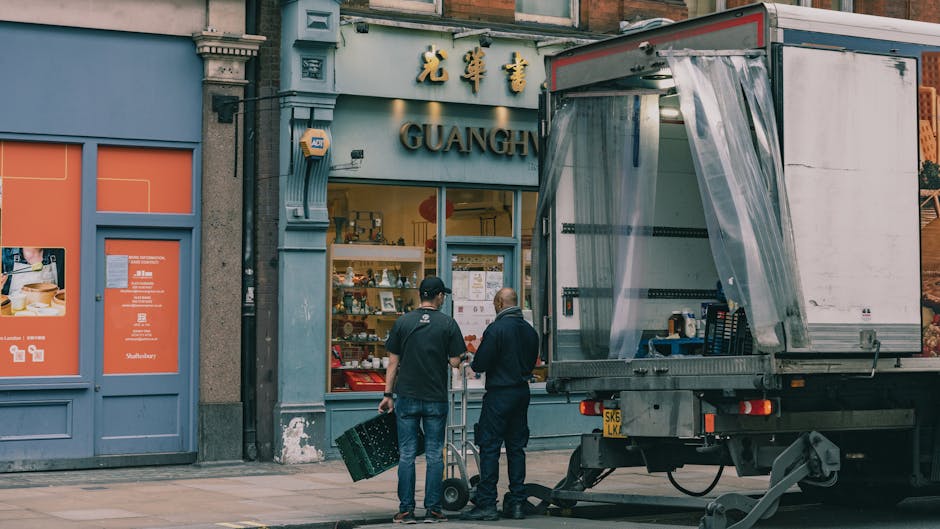
Harringay Green Lanes Removals and Best Loading Spots: A Practical Local Guide
Moving in and around Green Lanes can feel straightforward on a map and then suddenly become a bit of a puzzle on the pavement. There are parked cars, busy traffic, narrow stretches, delivery bays, and the usual London rhythm of people hurrying past with shopping bags and headphones on. If you are planning Harringay Green Lanes removals and best loading spots, the real win is not just finding a van. It is planning the load, the timing, and the safest place to stop without turning the move into a stress-fuelled shuffle.
This guide brings together the practical side of a Green Lanes move: how loading works, what to look for in a stopping point, which mistakes slow everything down, and how to keep the process calm enough that you still have energy left for the kettle at the other end. Truth be told, a good loading spot can save you more time than an extra pair of hands.
If you want wider support for the move itself, it can help to understand the difference between a man and van in Harringay, a dedicated removal van, and fuller removal services in Harringay. The right setup depends on property size, access, and how much you are moving.
Table of Contents
- Why Harringay Green Lanes removals and best loading spots Matters
- How Harringay Green Lanes removals and best loading spots Works
- Key Benefits and Practical Advantages
- Who This Is For and When It Makes Sense
- Step-by-Step Guidance
- Expert Tips for Better Results
- Common Mistakes to Avoid
- Tools, Resources and Recommendations
- Law, Compliance, Standards, or Best Practice
- Options, Methods, or Comparison Table
- Case Study or Real-World Example
- Practical Checklist
- Conclusion
- Frequently Asked Questions
Why Harringay Green Lanes removals and best loading spots Matters
Green Lanes is one of those roads where timing matters almost as much as muscle. The street is active, visually busy, and used by a mix of residents, deliveries, shoppers, and passing traffic. That means a removal vehicle cannot just "pull up anywhere" and hope for the best. You need a loading point that works for the van, the building access, and the surrounding traffic flow.
The reason this matters is simple: every extra minute spent circling, waiting, or carrying boxes too far adds friction. A sofa that is easy to manoeuvre from a front door to a van parked sensibly nearby becomes a headache if the vehicle is two streets away. And if you are moving with children, pets, or a tight handover time, the stress multiplies fast. Nobody wants to discover, at 8:15 in the morning, that the nearest sensible stopping place is already packed.
For local moves, the loading spot is part of the service, not an afterthought. In many cases, the smoothest outcome comes from combining planning with the right vehicle choice, such as a house removals service in Harringay for larger jobs or a smaller van solution where access is tight. The load point, size of the property, and amount of furniture all play into that decision.
There is also the human side. Green Lanes has a pace to it. You feel it in the morning rush, the waiting cars, the beep of a reversing vehicle somewhere nearby. If your move is not organised around that reality, it starts to feel harder than it needs to. A good loading spot brings order to the day. Simple as that.
How Harringay Green Lanes removals and best loading spots Works
At a practical level, the process usually starts before moving day. You identify where the vehicle can stop, how long it can stay there, and how close that point is to the property entrance. You then match that information with the type of removal vehicle, the number of people helping, and the volume of items that need to be moved.
In a typical residential move, the workflow looks like this:
- Check the front access and the street layout.
- Decide whether a van can stop directly outside or whether a nearby, legal loading area is better.
- Pack priority items so they can be loaded first and unloaded last if needed.
- Reserve enough time for carrying, wrapping, and possible delays.
- Keep entrances clear so the loading path stays safe and efficient.
If storage is part of the picture, perhaps because move-out and move-in dates do not line up, it is worth considering storage in Harringay as part of the plan. That can take pressure off the loading day, especially when the schedule is a bit messy, which happens more often than people admit.
"Best loading spots" does not always mean the closest curb space. Sometimes the best spot is the one that lets the van sit without blocking access, being forced to move repeatedly, or causing avoidable delay. A slightly longer carry from a lawful, practical position can be better than a risky stop that looks convenient but creates more problems than it solves.
Key Benefits and Practical Advantages
When the loading plan is right, the whole move tends to feel lighter. Not necessarily easy - let's not pretend moving house is a spa day - but definitely more controlled.
- Less wasted time: The team spends more time carrying items and less time looking for somewhere to stop.
- Lower risk of damage: Shorter, clearer loading routes reduce the chances of bumping furniture on gates, walls, and door frames.
- Better traffic flow: A sensible stop helps avoid awkward manoeuvres on a busy road.
- Reduced stress: You know where things are going, and the day feels more predictable.
- Improved safety: Clearer access means fewer trip hazards and better visibility for everyone involved.
There is another advantage people underestimate: momentum. Once a move starts smoothly, it tends to stay smoother. Boxes go out in the right order. The van is loaded more logically. Nobody is standing around wondering what happens next. That sounds small, but on moving day, it matters a lot.
If your move is more than a one-van job, it may be worth looking at the right removal van option alongside packing support such as packing and boxes in Harringay. Good packing and a good loading position go hand in hand. One without the other is only half the story.
Who This Is For and When It Makes Sense
This guide is for anyone moving on or near Green Lanes who wants to avoid the usual moving-day scramble. That includes tenants leaving a flat, homeowners relocating locally, people downsizing, landlords between tenancies, and anyone shifting bulky items through a busy stretch of road.
It also makes sense if your property has one of those awkward access arrangements that London seems to produce without effort: stairs that narrow halfway up, a hallway that turns sharply, or a front entrance that opens directly onto the pavement. In those cases, the "best" loading spot is not just about road space. It is about the whole route from front door to van.
You may especially benefit from this approach if:
- you are moving at a peak traffic time;
- you have large furniture or fragile items;
- you need a quick turnaround on the same day;
- you are sharing a building or street with limited stopping space;
- you are unsure whether a man and van or full removals package is the better fit.
For people exploring the area and planning a longer-term move, local context helps too. Articles like the culture and heritage of Harringay and local opinions on living in Harringay can be useful when you are weighing up neighbourhood feel, not just address logistics.
Step-by-Step Guidance
Here is a sensible way to plan a Green Lanes move without overcomplicating it.
1. Walk the route before moving day
Stand at the front door and look at the full path to the road. Is there space to turn? Are there steps? Is the pavement tight? Can a van stop with enough room for a safe load? These details sound obvious until you are holding a wardrobe door in the rain.
2. Identify likely loading points
Look for places that allow clear vehicle access, short carrying distance, and minimal conflict with traffic. Sometimes a nearby side street, side access, or wider stretch of road works better than the main frontage. The main goal is legal, practical access - not just proximity.
3. Match the vehicle to the access
A smaller van can be ideal if the road is tight or the move is modest. Larger house moves may justify a more substantial vehicle and a more structured loading plan. If in doubt, speak through the details before you book. That conversation usually saves time later.
4. Pack in load order
Put the items you need earliest near the back of the stack or clearly labelled. Heavy, sturdy items should usually go in first, with fragile things protected and separated. Nobody enjoys searching for the box with the Wi-Fi router at 10 p.m. after a long day.
5. Keep the pathway clear
On the day, remove loose shoes, bins, plant pots, and anything else that can snag a carry. A tidy route is a safer route. It also makes the move feel more professional, even if the living room still looks like a small mountain range of cardboard.
6. Allow a little buffer time
London rarely behaves exactly as planned. A few extra minutes for parking, access, or a slow lift can turn a tense move into a manageable one. That buffer is not wasted time. It is insurance against the day getting away from you.
Expert Tips for Better Results
In our experience, the best loading plans are rarely the fanciest ones. They are the calm ones.
Use labels that mean something in real life. "Kitchen - daily essentials" is far better than "misc." when you are tired and standing in a new place surrounded by cardboard.
Keep the first-load items ready. Kettle, phone charger, toiletries, cleaning cloths, and a change of clothes should not be buried under winter coats and books.
Think about door width and turning points. A van space is one issue. The route out of the property is another. A sofa that technically fits may still catch on a corner. It happens.
Choose the loading point with the unloading point in mind. If the destination has poor access, the day gets longer. Planning both ends together is the smarter move.
Use a local team that understands the area. A crew familiar with Harringay tends to anticipate the awkward bits earlier. They know that on some streets, a plan that looks fine on paper needs a little adjusting in the real world.
One small but useful habit: take photos of the loaded van before it leaves. It is not dramatic, just practical. If something needs checking later, you will be glad you did it.
Common Mistakes to Avoid
Most moving headaches come from a handful of repeated mistakes. The good news is they are avoidable.
- Assuming the closest curb space is the best one. Sometimes it is. Sometimes it creates a bottleneck or puts the van in the wrong position for loading.
- Not accounting for peak traffic periods. A ten-minute stop can turn into twenty-five if you pick the wrong moment.
- Underestimating the volume of items. People often think they have "not much" until the hallway starts filling up.
- Leaving packing until the final evening. That is when fragile items get rushed and labels become meaningless.
- Forgetting about building access rules. Shared entrances, lifts, and neighbours all matter.
- Not clarifying who is doing what. If nobody knows which box goes first, the loading rhythm falls apart fast.
There is also the classic mistake of trying to be heroic. Everyone does it. You think you can carry just one more box, or squeeze just one more chair into the van. Then your back says no, the clock says no, and the day becomes a lesson. Better to pace it properly from the start.
Tools, Resources and Recommendations
You do not need a truckload of specialist kit to make a move work, but a few simple things help enormously.
- Sturdy boxes: Consistent box sizes stack better and are easier to load.
- Protective wrap and tape: Useful for glass, picture frames, and awkward furniture edges.
- Marker pens and labels: Clear labelling makes unloading much smoother.
- Basic trolley or sack barrow: Helpful for heavier loads where space allows.
- Blankets or padding: Good for preventing scuffs on furniture and door frames.
If you are still deciding what level of support you need, the best next step is often to compare full house removals against simpler vehicle-led options and see which one matches your access and timing. If you only need advice or a quick quote, contact the team here and talk through the route, the volume, and the moving date.
For people who want to build a move around a tidy, staged plan, combining packing help with storage can be a very sensible approach. It is not glamorous, but it is efficient. And efficiency, on moving day, feels like luxury.
Law, Compliance, Standards, or Best Practice
When planning loading on a busy London road, the safest approach is to treat parking and stopping as a practical compliance issue rather than a casual convenience. You should always aim to follow local restrictions, respect signs and road markings, and avoid blocking access for residents, pedestrians, emergency services, or deliveries.
Because loading arrangements can vary by street and time of day, it is wise to confirm the stopping point in advance and build in flexibility. A safe plan usually considers:
- whether the vehicle can stop without creating danger or obstruction;
- how long loading is likely to take;
- the width of the road and pavement;
- the size of the vehicle;
- the effect on neighbours and shared building access.
Best practice is simple enough: keep the loading area clear, communicate early with anyone helping, and use a vehicle size that matches the access. If a move feels borderline, it is often better to choose a slightly less convenient but more manageable stopping point. That little bit of caution can prevent a lot of hassle later.
For business-like removals, the standard should always be safe, tidy, and considerate. No drama. No guesswork. Just a controlled process that protects your belongings and keeps the street moving.
Options, Methods, or Comparison Table
Different moves need different approaches. Here is a simple comparison that can help you choose the most practical setup.
| Option | Best for | Loading advantage | Watch-outs |
|---|---|---|---|
| Man and van | Smaller flats, lighter loads, quick local moves | Flexible and easy to position near the property | May need multiple trips if volume is underestimated |
| Removal van | Medium-sized domestic moves | Good balance of capacity and access | Needs more careful street planning on busy roads |
| Full house removals | Larger homes, heavier furniture, more complex moves | Most structured and efficient for larger volumes | Requires the most planning around access and timing |
| Moving with storage | Staggered dates, renovations, downsizing | Reduces pressure on the loading day | Needs extra coordination and good labelling |
For a lot of Harringay residents, the decision ends up being a blend of access, volume, and timing rather than a single "best" service. If you are unsure, a short assessment conversation is often enough to clarify the smartest route. No need to guess.
Case Study or Real-World Example
Imagine a couple moving out of a first-floor flat just off Green Lanes on a Friday morning. They have a sofa, a bed frame, three bookcases, boxed kitchen items, and the usual extras that only appear once the packing starts. On paper, it seems manageable. In reality, the street is busy, parking is tight, and the lift is out of service. Not ideal.
Their first instinct is to have the van wait right outside the entrance. That would have been convenient, but not necessarily practical. Instead, the better approach is to choose a nearby stopping point that allows the crew to load steadily without blocking the flow of traffic. The sofa goes in after the mattresses, the fragile boxes are kept clear, and the final run includes the last bits from the hallway and kitchen.
What changed the outcome was not luck. It was sequencing. The loading spot was chosen with the route in mind, the van was the right size for the road, and the packing order matched the move. By the time the final box was carried out, the day still had a bit of energy in it. That matters more than people think. You want to finish a move feeling tired, yes, but not frazzled.
That kind of planning is exactly why local moves work better when street access, van size, and packing support all line up.
Practical Checklist
Use this before moving day. It keeps things grounded.
- Confirm the property access and carrying route.
- Choose the most practical loading spot, not just the nearest one.
- Check whether the van size suits the street and the load.
- Label boxes by room and priority.
- Pack essentials separately for easy access.
- Clear hallways, steps, and pavement space where possible.
- Keep fragile items protected and grouped together.
- Decide whether you need storage support for the transition.
- Allow extra time for traffic and unexpected delays.
- Have a point of contact available on the day.
Quick takeaway: the best loading spot is the one that makes the move safe, legal, efficient, and calm enough to complete without rushing.
Conclusion
Harringay Green Lanes removals and best loading spots come down to one thing: making the road work for the move, not against it. When you plan the stop, the vehicle, the packing order, and the access route together, the day becomes much easier to manage. That is the difference between a move that feels chaotic and one that simply gets done.
If you are weighing up your options, think about your property layout, what you are moving, and how much help you really want on the day. A careful plan saves effort, protects belongings, and takes a surprising amount of pressure off everyone involved. And honestly, that is worth a lot.
If you would like help organising your move, comparing service options, or discussing the best loading approach for your street, the next step is straightforward. Speak to a local team that understands Harringay and can help you plan the day properly.
Get a free quote today and see how much you can save.
Sometimes the smoothest move is the one that starts with a calm conversation and a sensible parking plan. That's the real trick, isn't it?
Frequently Asked Questions
What are the best loading spots for removals on Green Lanes?
The best loading spots are the places that let a van stop safely, legally, and close enough to the property without blocking traffic or creating a hazard. In practice, that may be directly outside the address or on a nearby stretch with easier access.
How far in advance should I plan my loading point?
Ideally, you should think about it as soon as you book the move. Even a quick walk outside the property can reveal issues with width, turning space, or parking that are easier to solve early than on moving day.
Is a man and van enough for a Green Lanes move?
It can be, especially for smaller flats, lighter loads, or single-item moves. For larger homes or more complex access, a bigger vehicle or fuller removal support may be a better fit.
What if I cannot park directly outside the property?
That happens quite often in London. The key is to find the nearest practical alternative that allows safe loading. A slightly longer carry is usually better than a poor stop that causes problems.
Do I need storage if my move dates do not line up?
If there is a gap between moving out and moving in, storage can be a very helpful bridge. It keeps the day from becoming a rush and gives you more control over timing.
How can I make loading faster on a busy street?
Pack clearly, label boxes well, keep hallways clear, and assign a sensible load order. The more organised the items are before they reach the van, the smoother the process will be.
What is the biggest mistake people make on moving day?
Underestimating how much time access and parking can take. Many people focus on the boxes and forget the road outside. That is usually where the delay starts.
Should I choose the closest loading spot or the safest one?
The safest and most practical one. A tiny saving in walking distance is not worth risking a blocked street, an awkward manoeuvre, or a rushed load.
Can packing help improve the loading process?
Yes. Good packing makes everything easier to stack, carry, and protect. If you want the move to feel more organised, this is one of the best places to start.
How do I decide between house removals and a removal van?
Think about the size of your property, the amount of furniture, and how complicated the access is. Larger or more delicate moves tend to suit full removals, while smaller jobs often work well with a removal van.
Is it worth speaking to a local team about the road layout first?
Definitely. A local team can often spot likely access issues quickly and suggest a better loading approach before moving day gets complicated.
What should I do if I am not sure about the best loading spot at all?
Ask for advice early, share the property details, and be honest about the access. A short conversation can save a lot of guesswork later on, and that usually makes the whole move feel far more manageable.