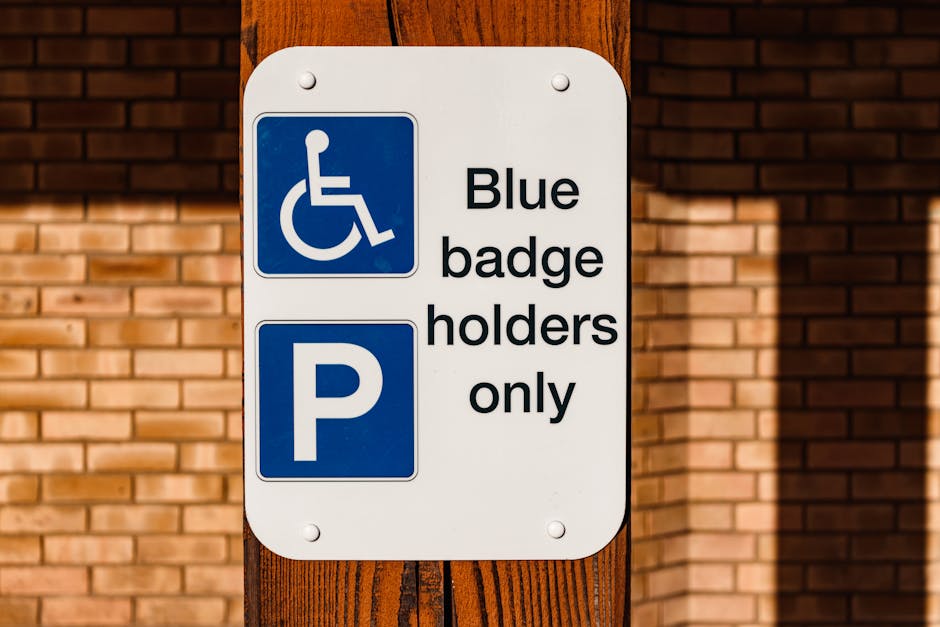
Parking permits Harringay removals loading bay rules and fines: a practical guide for smoother moving day planning
If you are planning a move in north London, few things create more stress than turning up with a van and realising the kerbside space is not as simple as it looked on Google Maps. The truth is, Parking permits Harringay removals loading bay rules and fines can make or break moving day. Get the parking side right and the rest feels manageable. Get it wrong and you may be dealing with awkward delays, a frustrated crew, and avoidable penalties before the kettle has even been unpacked.
This guide breaks the topic down in plain English. You will learn why these rules matter, how loading bays and permits usually work in practice, what fines can happen if you get it wrong, and how to plan ahead so the move stays calm. We will also cover the mistakes people make most often, plus a practical checklist you can use the day before the move. And yes, there is a difference between a "quick stop" and a permitted loading arrangement. Usually, that difference is what costs people money.
Table of Contents
- Why Parking permits Harringay removals loading bay rules and fines Matters
- How Parking permits Harringay removals loading bay rules and fines Works
- Key Benefits and Practical Advantages
- Who This Is For and When It Makes Sense
- Step-by-Step Guidance
- Expert Tips for Better Results
- Common Mistakes to Avoid
- Tools, Resources and Recommendations
- Law, Compliance, Standards, or Best Practice
- Options, Methods, or Comparison Table
- Case Study or Real-World Example
- Practical Checklist
- Conclusion
- Frequently Asked Questions
Why Parking permits Harringay removals loading bay rules and fines Matters
Moving is already a juggling act. Boxes, keys, neighbours, lift access, traffic, fragile items, and that one missing charger you need right now. Parking adds another layer. In Harringay, where streets can be tight and kerb space is often in demand, the rules around where a removals vehicle can stop matter more than many people expect.
A permit or loading arrangement is not just a bureaucratic detail. It can determine whether the van can park close enough to the entrance, whether the crew can move items safely, and whether the schedule stays on track. If the van ends up several streets away, every box becomes a longer carry. That means more time, more physical strain, and more chances for damage.
There is also the fine risk. Parking enforcement is not something you want to leave to chance. A driver who assumes a bay is fine, or stops where a sign looks "probably okay," can find themselves dealing with a penalty that was completely avoidable. To be fair, most people do not intend to break any rules. They are just focused on getting the sofa through the door without scratching the wall. But parking rules do not care how busy moving day feels.
If you are arranging a residential move, a student move, or even a small office relocation, the parking plan should be part of the move plan from the beginning. That is especially true if you are using man and van help or a larger removals service and the vehicle needs predictable access outside the property.
How Parking permits Harringay removals loading bay rules and fines Works
In practical terms, parking for removals usually comes down to three things: the type of road restriction, the time you need the vehicle to stay put, and whether the vehicle qualifies for loading or requires a formal permit. Local rules can vary by street, bay type, and time of day, so assumptions are risky.
Here is the basic logic. Some streets have loading bays that are intended for short-term stopping to load or unload goods. Others have resident bays, single yellow lines, double yellows, or controlled parking zones with specific restrictions. In some cases, removal vehicles may be allowed to load for a limited period even where ordinary parking would not be allowed, but that does not mean any stop is automatically fine. The exact rule depends on the location and signage. The sign on the street is the one that matters, not the "it should be okay" feeling.
A parking permit, where required, is usually arranged in advance so the vehicle has legal cover to use a space or loading bay for the move. Sometimes the permit is linked to a specific date, vehicle, bay type, or time window. In other cases, the move may rely on a loading exemption rather than a booked bay. The important part is matching the parking arrangement to the move pattern. For example, a same-day turnaround with heavy furniture is very different from a few boxes taken down from a third-floor flat.
Fines can happen when the vehicle:
- stays longer than the permitted loading window
- parks in a bay without the correct authorisation
- blocks a loading bay during restricted hours
- stops in a way that breaches the sign or road marking
- assumes removal activity automatically overrides parking restrictions
Let's face it, the enforcement officer is not there to admire your timing. They are checking compliance. If the bay is busy, if the signage is awkward, or if the driver cannot show the right arrangement, the move can very quickly become more expensive than planned.
If you are comparing move types, it may help to review the fit between parking needs and service type. A larger vehicle from a removal truck hire arrangement will usually need more careful access planning than a smaller van doing a light move. The same applies if you are planning a full household move and need time for furniture dismantling, stair carries, and repeat trips.
Key Benefits and Practical Advantages
When the parking side is properly planned, the benefits show up in small but very real ways. The move feels calmer. The crew works faster. The property is less likely to be damaged. And you are less likely to end the day gritting your teeth over a ticket.
- Closer access to the property: A legal loading bay or permit can reduce carrying distance, which matters more than people think when you are dealing with wardrobes or washing machines.
- Better time control: Proper parking helps keep the move on schedule. That is useful if you have lift bookings, handover deadlines, or children waiting around in the background.
- Lower risk of damage: Shorter carries mean fewer bumps into door frames, stair rails, or parked cars. Not glamorous, but very practical.
- Reduced fine risk: The big one. A good plan cuts down the chances of penalties that can spoil the budget.
- Less stress for neighbours and building managers: A tidy, lawful loading arrangement usually creates fewer complaints and fewer awkward conversations in the hallway.
There is also a subtle operational benefit. When access is sorted, movers can focus on the actual job instead of improvising. That makes the whole thing feel more professional. And to be honest, a move already has enough improvisation in it without adding parking chaos.
If you are trying to keep costs under control, parking planning often sits alongside other smart decisions such as choosing the right vehicle size, using a suitable removal van, and organising packing and boxes in advance so loading time is shorter.
Who This Is For and When It Makes Sense
This topic matters to almost anyone moving in or out of Harringay, but some groups feel the parking pressure more than others. If your property is on a busy residential street, near shops, close to an estate entrance, or in a road with limited stopping space, you need a plan.
It makes particular sense for:
- Home movers who need direct vehicle access for furniture, appliances, and multiple boxes
- Flat movers dealing with shared entrances, lift bookings, or narrow access routes
- Students moving on tight timeframes, often with a small window between tenancy changes
- Office relocations where timing matters and the building may have stricter loading rules
- People using same-day removals who cannot afford delays from parking confusion
- Anyone with heavy or fragile items, including pianos, large wardrobes, or specialist equipment
If your move is simple, ground-floor, and on a street with easy unrestricted parking, you may not need much more than common sense and a careful check of the signs. But if the job is even slightly more complex, parking should be treated like one of the main tasks, not a side issue.
People often ask whether these rules only matter for big removal lorries. Not really. Even a small van can still receive a fine if it is in the wrong place or overstays. The size of the vehicle does not magically cancel out the restrictions. Sadly, parking enforcement is not that forgiving.
Step-by-Step Guidance
Here is a sensible way to handle parking permits, loading bays, and fine avoidance before moving day. Keep it simple. Simpler is usually better.
- Inspect the street early. Do this in daylight if you can. Look for bay markings, signs, time restrictions, and any resident permit zones. A quick glance is not enough. Read the sign properly.
- Work out the vehicle type. Will you be using a van, a larger removals vehicle, or a truck? The vehicle size affects where it can stop and how long loading may take.
- Estimate loading time honestly. People are often too optimistic here. If there are stairs, lifts, awkward corners, or heavy furniture, add extra time. Always.
- Check whether a permit is needed. If the road or bay needs authorisation, sort it out well ahead of time. Do not leave this to the morning of the move.
- Choose the best loading strategy. Sometimes a short loading bay stop is enough. Other times, a formal permit is the safer option. Match the arrangement to the job.
- Communicate with everyone involved. If you live in a block, let building management, neighbours, or concierge staff know. A quiet heads-up can prevent a lot of fuss.
- Prepare items near the exit. If boxes are already grouped by room and furniture is dismantled where possible, the van spends less time waiting.
- Keep evidence and paperwork ready. If a permit or booking confirmation exists, have it accessible to the driver on the day.
- Build in a buffer. Traffic, lift delays, and last-minute packing always take longer than expected. Honestly, always.
For business moves, the same logic applies, just with more pressure. A commercial relocation can benefit from careful timing, the right vehicle, and a structured plan. If that sounds familiar, you may also want to look at commercial moves and consider whether office removals planning is needed.
Expert Tips for Better Results
A few small habits make a surprisingly big difference on move day. These are the kinds of details that experienced crews notice immediately.
- Aim for the shortest legal carry route. Even if the nearest space is technically legal, another bay might be easier for trolleys or longer items.
- Keep the driver in the loop. The person driving the vehicle needs up-to-date parking information, not just the address.
- Use clear labelling. If the team can identify fragile or priority boxes fast, they spend less time shuffling things around at the kerb.
- Plan around building access hours. If the lift or reception has time restrictions, align parking and loading with those windows.
- Have a backup position. A nearby legal loading bay, a second legal stop, or a slightly different timing plan can save the day if the first option is blocked.
- Protect the pavement and doorway. A neat loading area is not just courteous. It reduces the chance of complaints and makes the whole move feel under control.
One small but useful trick: if you know the vehicle will need to pause while you do final checks inside the property, keep that pause as short as possible. A van sitting there with hazard lights on is not the same thing as a legal loading arrangement. People confuse that all the time. The world is full of little misunderstandings like that.
Also, if the move includes delicate items or awkward stairs, it may be worth looking at piano removals planning or specialist handling support. Heavy items change loading speed, and loading speed changes parking risk. Simple chain, really.
Common Mistakes to Avoid
Most parking fines on moving day are not caused by dramatic bad luck. They come from predictable mistakes. The good news? Predictable mistakes are easier to avoid.
- Assuming loading is always allowed. It often is not, or not for long enough.
- Ignoring the exact sign on the street. A sign in the next bay does not protect you.
- Underestimating time. Two trips become four. Four trips become an hour. You know how it goes.
- Forgetting the vehicle dimensions. A space that suits a car may not suit a removals van.
- Leaving permit arrangements too late. Last-minute parking plans often create the biggest headaches.
- Parking "just for a minute" in a restricted bay. That minute can be the one that costs you.
- Not briefing the crew. If the movers do not know where to stop, they may waste valuable time while someone runs outside to check.
The most frustrating fines are the ones that happen because the move itself was otherwise going well. The sofa is halfway in, the kettle is in hand, and then the parking issue lands like a brick. It is avoidable, though. That is the key point.
Tools, Resources and Recommendations
You do not need complicated tools to manage this properly. A basic notebook, phone calendar, and a good move plan are often enough. Still, there are a few practical aids worth using.
- Street photos: Take pictures of signs and bay markings before the move so everyone involved can double-check them.
- Time plan: Write down loading start time, likely finish time, and any building access restrictions.
- Room-by-room label system: It speeds loading and unloading, which directly reduces parking exposure.
- Vehicle size check: Make sure the van or truck suits the property access and the volume of items.
- Move-day contact list: Keep the driver, building contact, and anyone at the destination in one place.
If you are comparing support options, some people prefer a flexible man with a van arrangement, while others need a more structured removal service for bigger household or office jobs. There is no single right answer. It depends on volume, timing, and how awkward the access is.
For longer transitions, storage can also help reduce pressure. If your move-out and move-in dates do not line up neatly, a short-term storage arrangement may keep things calm rather than rushed. That little bit of breathing room can be a lifesaver, honestly.
Law, Compliance, Standards, or Best Practice
This topic sits in the practical world of parking enforcement and moving logistics. The safest approach is to treat street signs, bay markings, permit conditions, and local restrictions as the governing rules for the day. In the UK, loading and parking enforcement can be strict, and the details matter more than broad assumptions.
Best practice is straightforward:
- check the street signs where the vehicle will actually stop
- do not rely on verbal assumptions about what "usually" happens in the road
- keep the loading period as short as reasonably possible
- make sure the driver understands the permitted arrangement
- avoid blocking other traffic, driveways, or access routes
- keep proof of any approved parking or loading arrangement available
If you are moving in a shared building or managed estate, there may also be separate site rules alongside the street rules. Those can affect where the van waits, where items can be staged, and whether there is a time slot for loading. Sometimes the building rules are stricter than the road rules. Sometimes the opposite. It can be a bit of a maze.
For that reason, careful planning beats guesswork every time. If you need a contractor that understands access planning, insurance, and move-day timing, it can be helpful to review insurance and safety information alongside the move logistics. That way, the parking plan and the handling plan are working together, not competing with each other.
Options, Methods, or Comparison Table
Different parking approaches suit different moves. Here is a simple comparison to help you choose the least stressful option.
| Approach | Best for | Advantages | Watch-outs |
|---|---|---|---|
| Short loading bay stop | Quick loading or unloading with light access needs | Convenient, efficient, often simplest | Usually time-limited and sign-dependent |
| Parking permit for removals | Moves needing predictable kerbside access | Greater certainty, easier for longer jobs | Needs advance planning and correct details |
| Unrestricted nearby parking | Simple moves with flexible timing | No permit process, easy if available | Often far from the property, may not exist |
| Alternative loading point | Streets with tight restrictions or busy bays | Can reduce conflict and delays | May increase carrying distance |
In real life, the best option is often the one that gives you the fewest surprises. If a small move can be completed with a quick legal loading stop, great. If not, a permit may be worth the effort because it prevents a scramble later. And if the road is a nightmare? A slightly longer carry may be better than risking a penalty. Simple, but not always easy.
Case Study or Real-World Example
Picture a typical Harringay flat move on a damp Friday morning. The van arrives just after 8 a.m., the pavement is wet, and the building entrance is narrow. The original plan was to stop close to the door, but the nearest bay is busy and a resident has already set out cones. Not ideal.
Because the move was planned properly, the driver has a backup location in mind. The team checks the street signs, finds a legal loading option a short distance away, and starts from there instead of trying to squeeze into a risky space. That means a slightly longer carry, yes, but no argument with enforcement and no delay waiting for a fine to be sorted out.
Halfway through, the crew realises the wardrobe is too large for the lift. They dismantle it on the pavement, carefully, with the flat pack tools ready. A neighbour walks past with a coffee and gives the standard London look that says, "You are in the way, but I understand." Very civilised, all things considered.
The move takes longer than the team first hoped, but it stays lawful and controlled. The important part is that nobody has to improvise under pressure. That is the real win. It may not sound dramatic, but a smooth move often looks boring from the outside. Boring is good.
Practical Checklist
Use this checklist the day before the move and again on the morning of departure.
- Confirm the exact moving address and entrance point
- Check the street signs and bay markings near the property
- Confirm whether a permit or loading arrangement is needed
- Share parking instructions with the driver and movers
- Estimate loading time with a sensible buffer
- Prepare furniture, boxes, and fragile items near the exit
- Notify building management or neighbours if needed
- Keep permit details or confirmation accessible
- Check vehicle size against the access route
- Identify a backup legal stopping place nearby
- Make sure hallways, entrances, and lift areas are clear
- Have water, keys, and essential documents to hand
If you are moving a full household, this checklist sits nicely alongside home moves planning. For smaller or tighter moves, it can also help to review flat removals arrangements, because access and timing tend to be the two things that cause the most friction.
Conclusion
Parking permits, loading bay rules, and fines may not be the most glamorous part of moving in Harringay, but they are one of the most important. A good parking plan keeps the van close, protects your time, reduces stress, and lowers the risk of a penalty that nobody wanted in the first place. That is especially true in busy streets where space is tight and every minute matters.
The best approach is simple: check the signs early, choose the right access setup, build in a time buffer, and do not leave the parking side until the last minute. Small bits of preparation here save a lot of hassle later. That is usually how the best moves go: not perfect, just properly thought through.
If your move involves heavier furniture, more complex access, or a tight timetable, it is worth choosing support that understands both the logistics and the parking realities of local removals. A calm move is rarely an accident.
Get a free quote today and see how much you can save.
Frequently Asked Questions
Do I need a parking permit for removals in Harringay?
Sometimes yes, sometimes no. It depends on the street, the bay type, the time of day, and how long the vehicle needs to stay. The safe move is to check the exact location rather than assume a permit is unnecessary.
Can a removals van stop in a loading bay?
Often it can, but only if the bay allows loading at that time and the vehicle follows the posted restrictions. Loading bays are not a free-for-all. The sign and markings decide what is allowed.
What happens if a moving vehicle gets parked in the wrong place?
A fine can be issued, and the move may be delayed while the vehicle is repositioned. In some cases, the crew may need to carry items further from the property, which adds time and effort.
How long can a van usually stay in a loading bay?
That varies by location and local rules. There is no single answer that fits every street. Always check the sign on the bay and make sure the loading time matches the actual move.
Are parking fines common during house moves?
They can happen when people rush or make assumptions. The most common causes are overstaying, stopping in the wrong bay, or not having the right authorisation ready.
What is the best way to avoid parking fines on moving day?
Plan the parking before the move, check the signs in advance, leave a buffer for delays, and make sure the driver understands the exact stop point. A little prep goes a long way.
Do small moves also need parking planning?
Yes, especially in narrow streets or permit zones. Even a small van can receive a penalty if it stops in the wrong place. The size of the move does not remove the need to check access.
Can I use a regular car parking space for removals?
Only if the rules allow it and the vehicle fits within the permitted use. Many spaces are not suitable for loading a removals vehicle, even briefly. It is better to verify before the day.
What should I tell my removals company about parking?
Give them the full address, any bay restrictions, access notes, permit details, and whether there is a lift or stair-only access. The more accurate the information, the easier it is to plan the move.
What if the loading bay is blocked when the van arrives?
Have a backup plan ready. That might mean a nearby legal stop, a different arrival time, or a slightly longer carry from another position. It is annoying, yes, but far better than forcing an illegal stop.
Is it worth paying more for a service that handles parking well?
Usually, yes, if your street is tight or the move is time-sensitive. Good access planning can save time, reduce stress, and avoid penalties. That often makes it better value than a cheaper option with poor planning.
How far in advance should I sort out parking for a move?
As early as possible. For more complicated moves, a few days' lead time is sensible. For anything involving permits or managed buildings, earlier is even better. Last-minute parking planning is rarely a relaxing experience.
If you want to keep the rest of the move just as organised, it can help to review removals options alongside the parking plan and choose the setup that fits your property, timing, and access needs. A well-planned move is a much kinder way to start somewhere new.