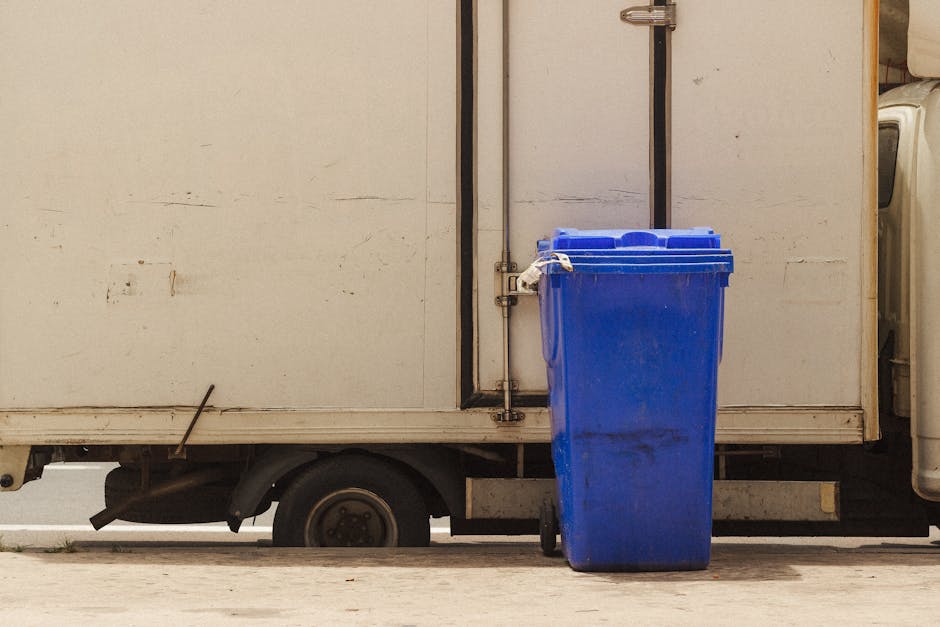
Waste disposal law for Harringay removals and furniture recycling

If you are planning a move in Harringay, the rubbish side of the job can feel oddly complicated. One minute you are sorting a wardrobe, the next you are wondering whether a cracked chest of drawers can go with the van, who is allowed to take it, and what happens if an item ends up in the wrong place. That is where waste disposal law for Harringay removals and furniture recycling becomes more than a dry legal topic. It shapes how your unwanted furniture, packaging, and general household waste should be handled, carried, and passed on.
In plain English, the law is there to stop fly-tipping, improve reuse and recycling, and make sure waste is moved responsibly. For anyone booking a move, clearing a flat, or replacing old furniture, understanding the basics saves hassle later. It also helps you choose the right removal approach, avoid awkward disposal mistakes, and keep the whole process cleaner and safer. To be fair, it is much easier to deal with this before the van is full.
This guide walks you through the legal and practical side of furniture recycling and waste disposal during a Harringay move, with clear steps, common risks, and a realistic checklist you can actually use.
Why Waste disposal law for Harringay removals and furniture recycling Matters
Waste law matters because a move is not just about transporting things from A to B. It is also about deciding what stays, what gets reused, what gets recycled, and what must be disposed of properly. In Harringay, as in the rest of London, waste has to be handled in a way that prevents illegal dumping and reduces the amount that ends up in landfill. That sounds obvious, but in a rushed move people often take shortcuts.
The risks are practical as much as legal. A sofa left on a pavement for "someone to collect" can become an enforcement headache. A pile of broken shelves tossed into the wrong skip can contaminate a load that could otherwise be recycled. And if a removal vehicle carries waste without the right handling or documentation, the responsibility does not just vanish. It can travel with the waste, which is the awkward bit people sometimes miss.
There is also a trust angle. If you are hiring a service for removals or arranging a furniture pick up, you want to know items are being moved, donated, recycled, or disposed of responsibly. In our experience, customers feel far more relaxed when the plan is clear before moving day. Less guessing. Less stress. Fewer mysterious piles by the front door at 7 a.m.
For households, landlords, tenants, and local businesses, compliance also protects your reputation. It shows you have taken reasonable care, which is exactly what good waste management should do.
How Waste disposal law for Harringay removals and furniture recycling Works
At a practical level, the legal framework around waste disposal says that waste should be managed safely, transferred to authorised handlers where needed, and not dumped irresponsibly. For a move, that means separating items into sensible categories before anything leaves the property. Reusable furniture may be kept for resale or donation. Recyclable items may be broken down and sent for processing. Damaged or contaminated items may need disposal. Simple in theory, but the details matter.
The first thing to understand is that not every unwanted item is handled the same way. A wardrobe in good condition has a very different pathway from a damp mattress or a table with structural damage. If an item can be reused, that is usually the cleanest option. If it can be recycled, even better. If it truly has no further use, it should be disposed of through appropriate waste channels, not left in a communal hallway or placed beside a building and hoped for the best.
There is also a chain-of-responsibility element. If you hand waste to a mover, transporter, or clearance service, you should be confident they know what they are taking and where it is going. A decent provider will be able to explain how waste is separated, whether recyclable furniture is diverted from disposal, and how they approach sustainability. If you are comparing providers, it is worth looking at their recycling and sustainability approach alongside the moving service itself.
One point people often overlook is packaging waste. Removal jobs create cardboard, tape, protective wrap, and broken-down boxes. If you are using packing and boxes, it helps to plan how that waste will be reused or recycled once the move is done. Otherwise the tidy pile in the lounge turns into a not-so-tidy pile on the pavement, and that is where problems begin.
What counts as waste during a removal?
Not just broken things. Waste can include damaged furniture, old soft furnishings, unwanted packaging, unsalvageable household items, office fit-out leftovers, and mixed clutter collected during decluttering. Even items that still look fine may become waste if nobody is taking them with a clear intention to reuse them.
Why furniture recycling needs extra care
Furniture is bulky, awkward, and often mixed-material. Think wood, metal, plastics, fabric, foam, screws, and glue all in one item. That makes recycling harder than people expect. A well-planned furniture recycling process breaks items down sensibly, keeps recyclable parts separate, and avoids sending everything to disposal just because it is easier.
Key Benefits and Practical Advantages
Following waste disposal law properly is not just about avoiding trouble. It makes the move smoother and often cheaper in the long run. A cleaner plan means fewer last-minute decisions, less time wasted, and less risk of paying twice for the same item because it was handled badly the first time. That is the boring truth, but a useful one.
- Lower legal and enforcement risk: You reduce the chance of waste being left unlawfully or passed to the wrong handler.
- Better recycling outcomes: More furniture, metal, cardboard, and wood can be diverted from disposal.
- Cleaner moving day: Separate unwanted items earlier and your loading process becomes calmer and faster.
- Improved value from reusable items: Good-condition furniture may be reused, donated, or sold instead of discarded.
- Less mess at the property: Communal entrances, pavements, and stairwells stay clearer.
- Stronger service quality: A responsible mover or clearance provider will usually be more organised overall.
There is a small but real benefit on the customer side too: it feels good to know an old sofa or dining table is not just vanishing into a black hole. When people see a proper reuse or recycling process, the move feels less wasteful, in the emotional sense as well as the practical one.
Expert summary: The smartest approach is simple: sort items early, keep reusable furniture separate from true waste, use a responsible transport method, and confirm where each category is going before moving day arrives.
Who This Is For and When It Makes Sense
This topic matters to a wider group than you might think. It is not only for people clearing out a house after years of accumulation. It is also for flat movers, students, landlords, office managers, and anyone replacing old furniture while moving locally. If you are working through a tight London staircase, a shared hallway, or a permit-conscious street in Harringay, waste handling has to be planned with a bit of care.
It makes sense especially when:
- you are moving out and do not want to take every item with you;
- you have furniture that is too worn to keep but may still be reusable;
- you are downsizing and need to reduce volume before the move;
- you are clearing a rented property and need to leave it tidy;
- you are moving offices and want to dispose of desks, chairs, or storage units responsibly;
- you need same-day sorting because the move has crept up on you, as it does.
If you live in a flat, you may also have building rules to think about. Shared spaces, lift use, and collection timing all matter. That is one reason services like flat removals and student removals often benefit from a simple waste plan before the first box is carried downstairs.
For businesses, the picture can be slightly more formal. Office waste, especially furniture, should be assessed in advance so you know what can be reused internally, what can be recycled, and what needs to leave the site. If your move is commercial, the scope is bigger and the room for mistakes is smaller. Not ideal, but manageable.
Step-by-Step Guidance
Here is the cleanest way to handle waste disposal law for Harringay removals and furniture recycling without turning it into a complicated project.
- Sort everything into clear categories. Keep items separate as reusable, recyclable, and disposable. Do not blend them into one mountain and hope it sorts itself out later.
- Check condition honestly. A wobbly chair can still be reusable, but a water-damaged bookcase usually is not. Be realistic, not sentimental.
- Measure bulky items. Large furniture takes time, space, and sometimes disassembly. This helps you choose the right transport and avoid last-minute surprises at the front door.
- Choose a responsible transport option. A proper man with van or specialist removal provider should be able to explain how unwanted items are handled.
- Ask where the items will go. Reuse, donation, recycling, or disposal should be clear. If the answer is vague, keep asking.
- Prepare packaging for recycling. Flatten cardboard, separate loose tape where possible, and keep soft wrapping materials together.
- Clear access routes. Hallways, stairs, and doorways should be free of clutter so items are removed safely and efficiently.
- Confirm final responsibilities. Make sure you know who is taking each item and whether any waste is being left behind for a later collection.
A useful rule of thumb: if you cannot explain where an item is going in one sentence, the plan is not ready yet. A little blunt, maybe, but true.
A quick sorting example
Say you are moving from a Harringay flat and have a sofa, two shelves, several boxes, and an old desk chair. The sofa is clean but too large for your new place, so it may be suitable for reuse. The shelves are scratched and unstable, so they may need recycling or disposal. The boxes can be reused, and the chair might be fixed or recycled depending on condition. That sort of thinking keeps the waste stream much cleaner.
Expert Tips for Better Results
Here are the habits that make the biggest difference in practice.
- Plan waste at the same time as the move. Don't leave furniture decisions until the night before. That is how stress multiplies.
- Keep one "don't know yet" pile only if necessary. Too many undecided items slow everything down.
- Use photographs for shared decision-making. Handy if family members, landlords, or colleagues need to approve what leaves and what stays.
- Ask about sustainability early. A provider with a good recycling mindset will usually explain the process clearly.
- Disassemble large furniture when it genuinely helps. Flat-pack style items are easier to move and sort, but do not dismantle something fragile just for the sake of it.
- Protect floors and walls. Bulky waste often scrapes on the way out, especially in older London properties with narrow turns.
A small thing, but worth saying: keep screws, fittings, and assembly bits in labelled bags. Otherwise you will find them three weeks later in a coat pocket. It happens.
If you are handling a bigger move, the practical side of home moves or office removals often goes better when the waste strategy is decided early. The move feels less like a clean-up after a storm and more like a controlled reset.
Common Mistakes to Avoid
Most waste problems during removals come from a handful of predictable errors. The good news is they are easy to avoid once you know them.
- Leaving items outside without arranging collection: This can lead to fly-tipping concerns or complaints from neighbours.
- Mixing recyclable furniture with general rubbish: Once mixed, recovery options can become limited.
- Assuming every mover handles waste the same way: They do not. Some are more focused on transport than disposal.
- Forgetting about packaging waste: Cardboard and wrapping can pile up fast after a move.
- Not checking access or weight issues: A heavy cabinet may need a different plan than a standard box load.
- Using vague disposal language: "We'll sort it later" is not a plan. It is a delay wearing a hat.
Another common slip is overestimating the condition of furniture. You may love that old sideboard, but if it is split, loose, or stained beyond practical reuse, recycling or disposal is the honest route. That is fine. The whole point is to treat waste properly, not pretend everything is salvageable.
Tools, Resources and Recommendations
You do not need fancy software to manage waste properly during a move. In most cases, a few simple tools are enough.
| Tool or resource | What it helps with | Best used for |
|---|---|---|
| Item inventory list | Tracks what is being kept, reused, recycled, or disposed of | Any move, especially larger homes and offices |
| Camera phone | Shows the condition of furniture and packaging | Decision-making and record keeping |
| Marker pens and labels | Separates categories clearly | Boxes, dismantled furniture, and mixed loads |
| Bin bags or sacks | Contains small waste and loose material | Packaging, soft waste, and minor clear-outs |
| Basic toolkit | Allows safe dismantling of suitable furniture | Shelving, beds, tables, and storage units |
| Protected blankets or wraps | Reduces damage during transport | Reusable furniture and large pieces |
For people who want a more orderly moving day, services that combine transport with loading support can help keep waste separate from keepers. A removal van or man and van style move is often suitable for smaller clearances, while larger properties may need a fuller setup. If you need short-term breathing room, storage can also help you avoid dumping something just because you have not made a final decision yet.
And if you are comparing providers, useful pages to review include pricing and quotes, insurance and safety, and health and safety policy. Those pages do not solve the waste issue on their own, of course, but they tell you a lot about the way a company thinks.
Law, Compliance, Standards, or Best Practice
When people talk about waste law in the UK, they usually mean a mix of legal duties and accepted best practice. For removals and furniture recycling, the safest approach is to assume you are responsible for how waste is stored, handed over, and transferred until it reaches the right destination.
Best practice generally includes:
- keeping waste separate from reusable goods where possible;
- avoiding fly-tipping or unplanned roadside disposal;
- using sensible packaging and safe lifting methods;
- making sure items go to an appropriate recycling or disposal route;
- not mixing hazardous or contaminated materials into ordinary loads;
- being clear with customers, tenants, or staff about what is being removed.
For household moves, this often means deciding in advance whether an item is part of the move, part of the recycling stream, or true waste. For commercial moves, it can also mean checking internal approval before disposing of office furniture, because desks and chairs have a habit of disappearing into the "out with it" category far too quickly.
If you are using a service provider, it is sensible to read the company's terms carefully and understand what is and is not included. The pages for terms and conditions and privacy policy may not sound thrilling, but they help you understand expectations, responsibilities, and what happens if something is not straightforward. Not exciting. Still useful.
Options, Methods, or Comparison Table
There is no one perfect disposal method. The right choice depends on condition, time, access, and how much effort you want to put into the process.
| Option | Best for | Pros | Watch-outs |
|---|---|---|---|
| Reuse or donation | Furniture in good condition | Best environmental outcome, less waste | Requires suitable condition and timing |
| Furniture recycling | Items with recyclable materials | Reduces landfill, handles bulky items responsibly | Some mixed-material pieces are harder to process |
| General disposal | Broken, unsafe, or contaminated items | Clear final solution for unusable furniture | Should be the last resort |
| Professional removal support | Moves with several bulky items | Convenient, less lifting, more organised | Quality varies, so ask how waste is managed |
If you are dealing with a larger clear-out, a service that handles both transport and disposal planning can save a lot of back-and-forth. This is especially true for heavy items like wardrobes, beds, or the odd piano that seems to have survived three house moves already. For the truly awkward jobs, a dedicated piano removals approach or a stronger vehicle setup may be needed, and that changes the disposal plan too.
Case Study or Real-World Example
Picture a small Harringay flat being emptied at the end of a tenancy. The occupants have a sofa, a chipped coffee table, a desk, a broken bedside cabinet, several cardboard boxes, and a pile of miscellaneous packaging. They need to leave the place clean, but they also want to avoid throwing away anything that could still be used.
They start by sorting the furniture. The sofa is clean and structurally sound, so it is earmarked for reuse. The desk is slightly scuffed but still serviceable. The bedside cabinet is damaged beyond practical repair. Cardboard is flattened, and loose wrapping is grouped together. By the time the moving team arrives, the plan is already clear, so the collection is quick and less chaotic than it could have been.
What makes this work is not magic. It is simply good sequencing. The reusable items are separated from waste before lifting begins. The professional team knows what is staying in circulation and what is leaving permanently. The hallway stays clear, neighbours are not bothered, and the final handover is straightforward. That is the ideal, really. Nothing dramatic. Just order.
In a busier example, an office move might include old desk clusters, broken storage units, and packaging from new furniture deliveries. There, the same logic applies, but with more volume and a bit more pressure. A well-organised commercial moves plan makes all the difference, especially when the building has access windows or limited lift use.
Practical Checklist
Use this before move day. It keeps the waste side of the job under control.
- Have I separated reusable furniture from broken or disposable items?
- Do I know which items are going for recycling?
- Have I flattened cardboard and grouped packaging waste?
- Have I checked access for bulky items and tight corners?
- Have I confirmed who is taking each item?
- Are there any items that should stay in storage for now?
- Have I reviewed the provider's safety and insurance information?
- Do I understand the relevant terms and conditions?
- Have I planned for the final clean-up after the van leaves?
- Have I made sure nothing is being left outside without arrangement?
That last one matters more than people realise. It is one of those small things that can snowball fast. A clean floor and a clear exit path make the whole experience feel more manageable.
If you are unsure about timing, same-day help can sometimes be the sensible option. It is not always the cheapest, but when the clock is ticking, it can stop a half-finished pile of furniture from taking over the room. And honestly, nobody wants to sleep beside a dismantled shelving unit if they can help it.
Conclusion
Waste disposal law for Harringay removals and furniture recycling is really about doing the sensible thing in a structured way. Separate what can be reused, recycle what can be recovered, and dispose of the rest responsibly. That simple approach protects you from avoidable problems, keeps moving day more organised, and supports better local sustainability outcomes.
The best results usually come from early sorting, clear communication, and a removal plan that treats waste as part of the move rather than an afterthought. Whether you are clearing a flat, shifting a family home, or refreshing an office, a little planning goes a long way. And yes, it does save headaches later. Quite a few, in fact.
For related help with planning a move, handling bulky items, or understanding how a service approach fits your situation, you may also want to review pages on removal services and furniture removals.
Get a free quote today and see how much you can save.
When you deal with waste properly, the whole move feels calmer. A bit lighter, too.
Frequently Asked Questions
What is waste disposal law in a house or flat move?
It is the set of rules and best practices that govern how unwanted items, rubbish, and furniture are stored, moved, transferred, recycled, or disposed of. In a move, it helps ensure waste is not dumped illegally and that reusable items are handled properly.
Can I leave old furniture on the pavement for collection?
Not unless it has been arranged properly through a lawful collection route. Leaving items out without a plan can create fly-tipping problems or complaints. It is much safer to organise removal in advance.
What should happen to furniture that is still usable?
Usable furniture should usually be kept for reuse, donation, resale, or another responsible second-life route. That is typically better than disposal, both environmentally and practically.
How do I know if a removal service is handling waste responsibly?
Ask what happens to reusable items, recyclable materials, and true waste. A responsible provider should explain their process clearly. If the explanation is vague or rushed, that is a warning sign.
Does packaging count as waste during removals?
Yes. Cardboard, tape, wrapping, protective film, and broken packing materials all count. Planning for packaging waste is one of the easiest ways to keep a move tidy.
What is the difference between recycling and disposal for furniture?
Recycling aims to recover materials such as wood, metal, or certain plastics. Disposal is the final route for items that cannot reasonably be reused or recycled. In practice, many furniture items need to be assessed individually.
Do office moves follow the same waste rules as home removals?
The general principles are the same, but office moves often involve larger volumes, more formal responsibility, and more furniture that can be reused or recycled. The planning stage matters even more.
Should I dismantle furniture before a move?
Sometimes, yes. It depends on the item, the access route, and whether dismantling will make transport safer and easier. Do not dismantle fragile furniture casually, though. A little judgement helps.
What if I only have one or two bulky items to remove?
Even a small load needs the same careful thinking. One sofa or wardrobe can create the same waste issues as a larger clear-out if it is not handled properly.
How can I reduce waste during a move?
Sort early, reuse boxes where possible, donate good-condition furniture, and avoid buying unnecessary packing materials. You will usually save time as well as waste.
Is storage useful when I am deciding what to keep?
Yes, storage can buy you time if you are not ready to make a final decision about certain items. It can prevent rushed disposal and give you space to sort things properly.
What is the safest approach if I am unsure about an item?
Pause and assess it before the move starts. If you are not sure whether it is reusable, recyclable, or disposable, keep it separate and get clarity before it leaves the property.